Tech Analysis: Honda RC45 1997
When the 1997 Honda RC45 Redefined Engineering and Destiny
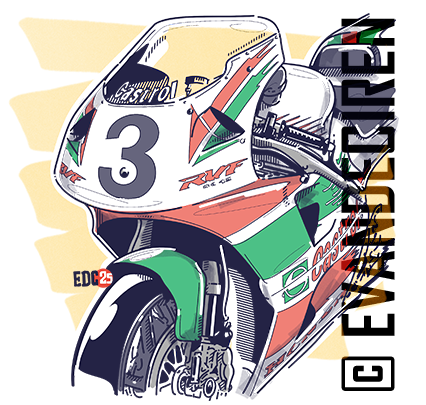
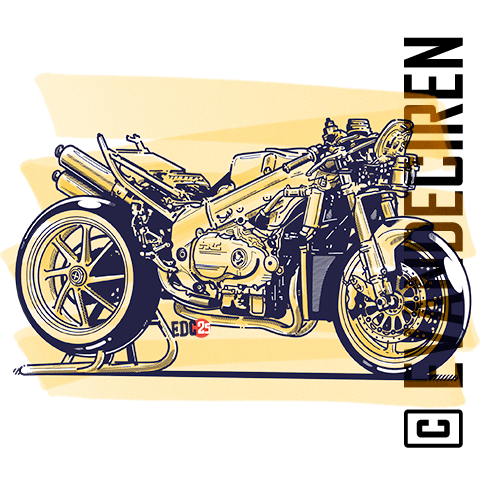
A naked motorcycle, without fairings, exposing its steel bones. And a Castrol livery that smells of heroic battles. The 1997 Honda RC45 is not just a Superbike: it is a technical enigma turned into victory. And that is where this story begins.
Anatomy of a mechanical obsession
The day the RC45 revealed itself without veils.
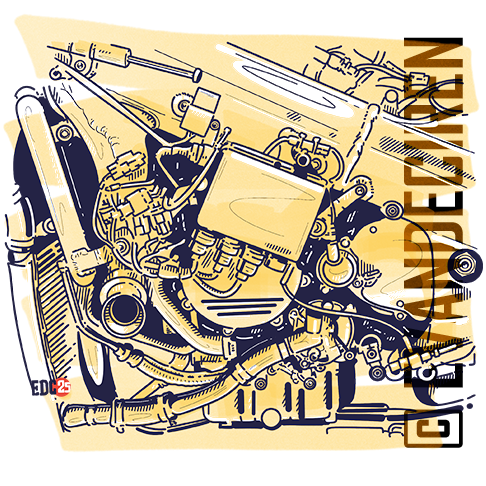
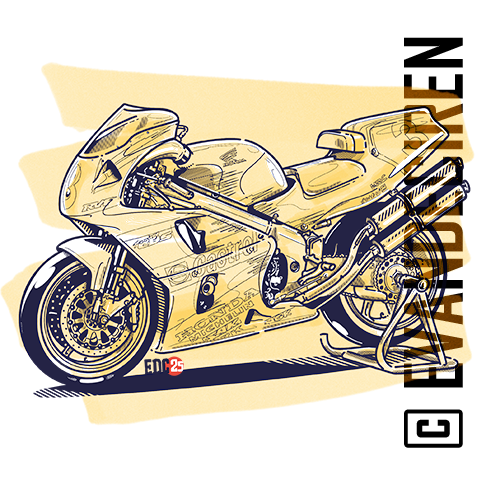
The motorcycle appears raw, stripped, resting on its stands. Every tube, every bolt, every rib of the frame speaks of a hard, demanding project.
It is a body that gives nothing and demands everything, as if perfection could only be born from a stubborn flaw.
The roar of a V4 that shows no mercy
Hidden power, rebellious character.
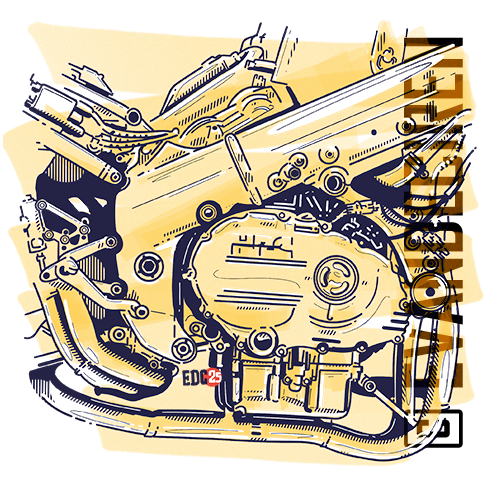
The Honda V4 is both a promise and a threat. It climbs through the revs like a blade sharpening itself, pushing with the fury of something that accepts no compromises. It is not an engine: it is a severe judge, separating those who ride from those who truly dare to master it.
The frame that learned not to tremble
Rigidity, science, and the fear of the unknown.
At first it flexed, reacted poorly, betrayed. Then came modifications, testing, sleepless nights. The RC45 frame became a backbone able to withstand every blow, a structure that taught everyone that trust is built only through error.
The desperate art of grip
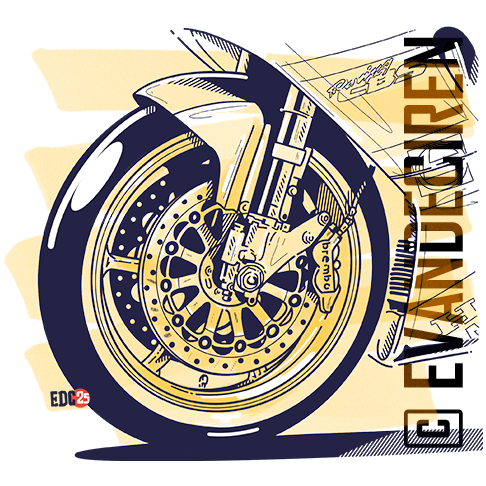
Michelin, Showa, and the millimetric line between grip and the abyss.
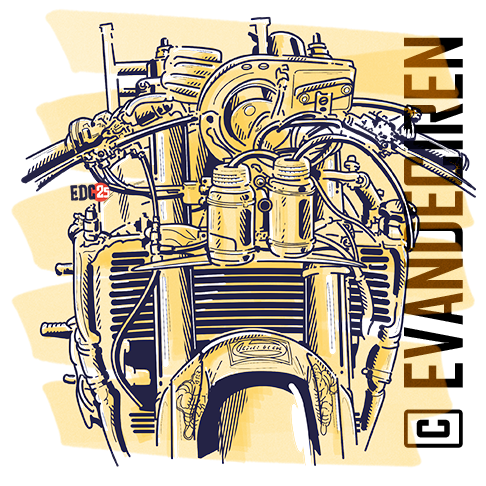
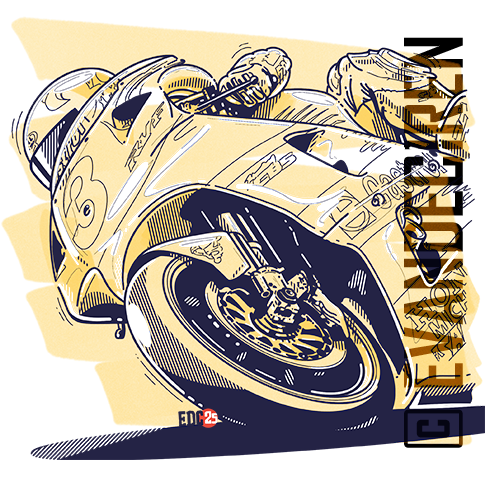
Every corner entry was an assault on destiny. Michelin and Showa searched for the perfect balance: carcass constructions, pressures, forks evolving from session to session.
The RC45 did not forgive. It simply demanded respect. And faith.
“In the saddle”: when man meets the myth
The exact moment when technique becomes emotion.
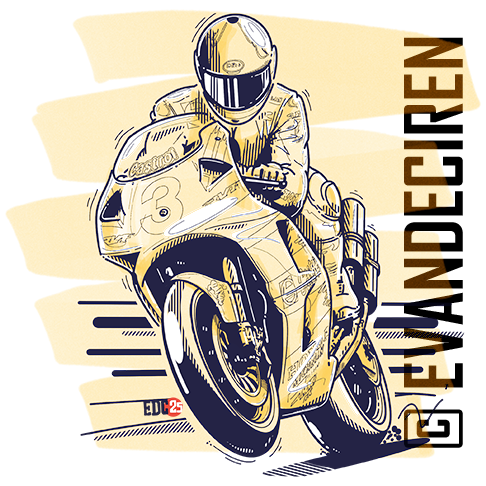
Climbing onto the RC45 meant listening to a new language. It runs wide at the front, pushes hard at the rear, demands a clean gesture and a disciplined hand. Then, suddenly, it embraces you. It enters the corner as if everything were already written, and when you open the throttle, the universe expands.
Latin character, Eastern soul
Keihin electronics as the beating heart of the revolution.
The 46 mm Keihin PGM-FI is the command center. This is where the difference lives: clean power delivery, a throttle input that becomes thought. The RC45 does not explode; it whispers, then bites. It is a fragile balance that only Honda could pursue with such stubborn determination.
The final evolution before apotheosis
When chassis dynamics became a definitive weapon.
To reach the title, the limit had to be tamed: 47 mm forks, endless adjustments, a front end that spoke a language made of vibrations and subtle confidences. The 1997 RC45 was the first to not ask for courage: it demanded absolute precision.
The finishing blow: the season of maturity
1997, the year the RC45 took everything.
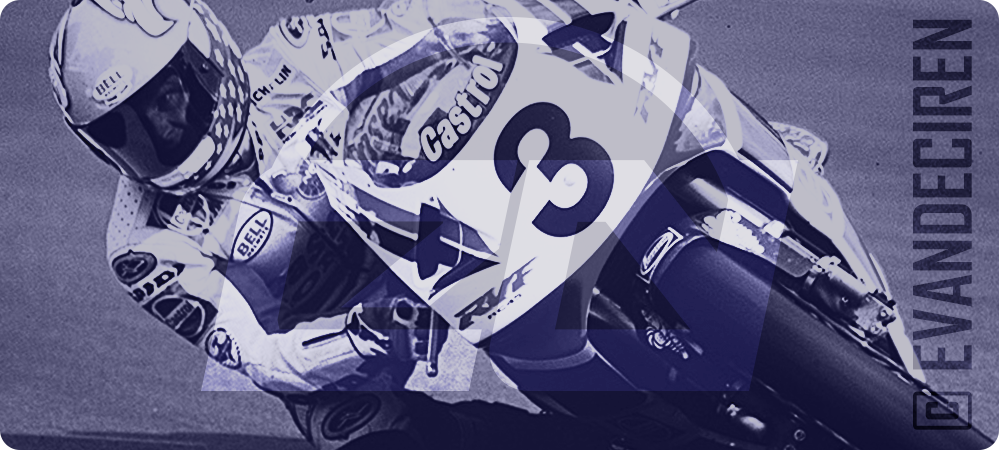
With Kocinski, the explosion arrived. Eleven years after the RC30, Honda returned to command. The bike became docile when needed, ferocious when required, impartial like an ancient judge. The Superbike World Championship returned to the hands of those who knew how to wait.
Conclusion: Perfection, when it arrives, makes no noise
The 1997 Honda RC45 did not win by chance. It won because it accepted being imperfect, fragile, incomplete. Every mistake became a step forward, every failure a lesson.
The motorcycle that first appeared as an enigma became a mature, conscious machine, almost serene in its controlled ferocity. The RC45 was neither the most powerful nor the lightest, but it was the one that, once understood, changed forever the meaning of a Superbike.
Those who saw it pass remember the sound of the V4 like a sworn oath. Those who rode it know that, within it, lives the thinnest line between fear and glory, the one that only true legends dare to walk.