Formula 1 2026 A New Era
When regulations redefine form, energy, and on-track behavior
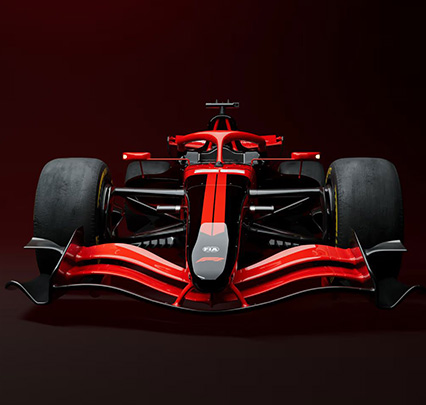
The 2026 season marks a clear rupture in the technical history of Formula 1. It’s not just about aerodynamics: it’s architecture, energy management, and racing philosophy. The new single-seaters are shorter, narrower, and radically rethought in the balance between thermal power and electric power.
the Single-Seater Contracts
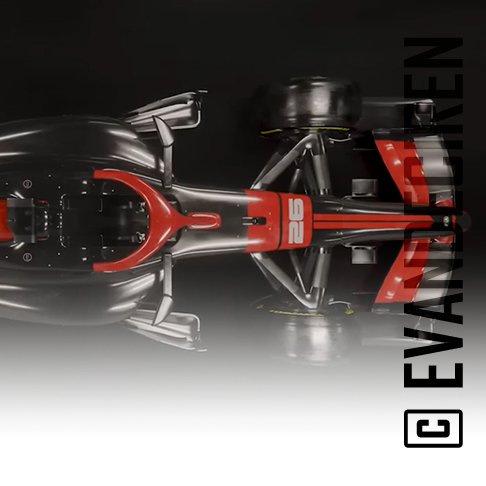
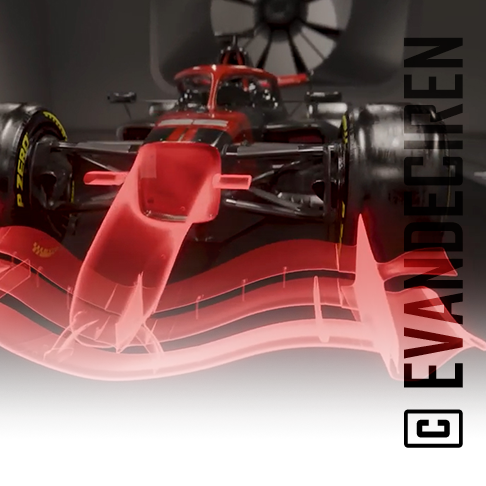
Geometry changes to restore on-track agility. The 2026 car becomes shorter and narrower: maximum wheelbase drops to 3400 mm, width to 1900 mm. Minimum weight falls to 768 kg. This is not a simple weight reduction, but a return to less inertial single-seaters, more responsive in direction changes and close racing, especially on street circuits.
Power Unit 2026: 50/50 Balance
The engine no longer dominates on its own. The 2026 power unit is born from a radical redistribution: the internal combustion engine (ICE) drops to around 500 hp, while the electric component rises to 350 kW. The balance between ICE and electric power becomes central, turning energy management into a continuous performance factor, no longer a secondary element.
Without the MGU-H: simplicity with consequences
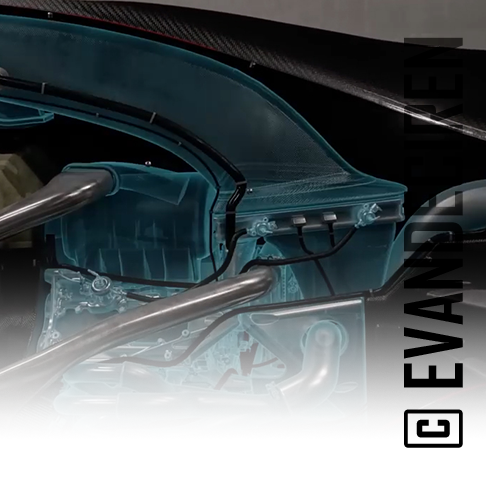
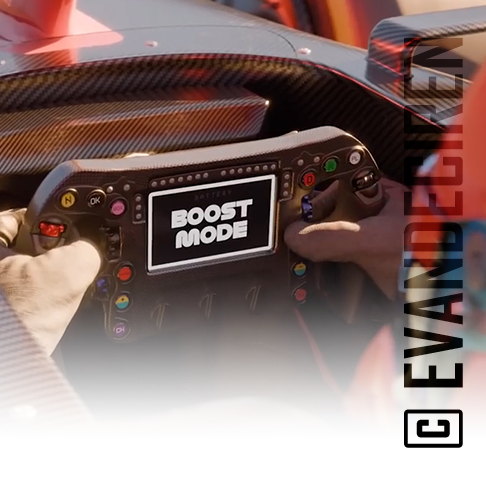
When efficiency shifts to strategy. The removal of the MGU-H simplifies the power unit architecture but shifts the critical focus onto the MGU-K. Electric energy is recovered only under braking, making recharging more discontinuous and highly track-dependent. The driver becomes an active part of energy management, especially on stop-and-go circuits.
Active Aerodynamics: two souls, one choice
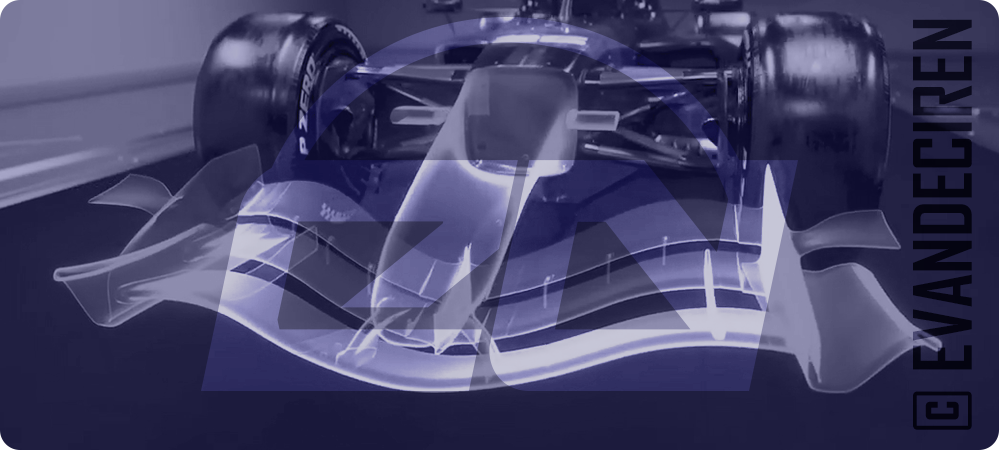
High downforce or low drag. An active aerodynamic system debuts, replacing the DRS. The car alternates between high-downforce configurations for cornering and low-drag setups for straights. It is no longer an overtaking aid, but an efficiency tool, designed to reduce energy consumption.
Energy as a limit, not a bonus
The race is written in the state of charge. With a dominant electric component, energy availability becomes the true performance constraint. On some circuits, drivers are forced to modulate the throttle on straights to preserve charge. Top speed is no longer constant, but a strategic variable.
Lighter, more alive, more demanding
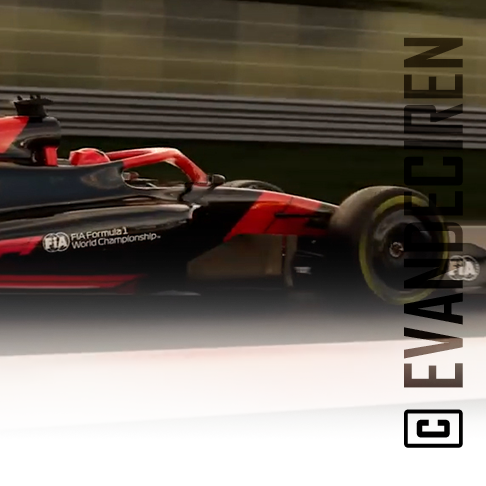
Driving becomes physical again. The reduction in weight and smaller dimensions make the single-seaters more nervous. Instant electric traction amplifies every mistake, while lower passive downforce demands mechanical precision. Formula 1 2026 asks the driver for more sensitivity than raw force.
CONCLUSION: The Formula of Lost Balance
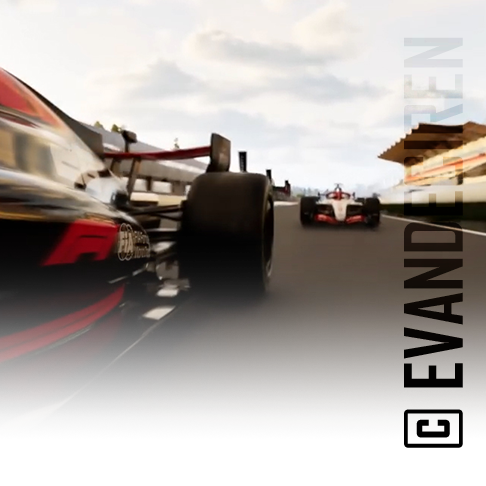
Today, the 2026 revolution appears for what it truly is: a shift in priorities. Formula 1 no longer pursues only absolute maximum performance, but a fragile balance between available energy, aerodynamic efficiency, and the human ability to interpret the machine. The single-seater does not forgive, does not compensate, does not give anything away: every lap becomes management, every overtake a decision, every mistake an immediate cost. It is a quieter Formula 1, perhaps, but also more exposed, more readable in its limits and choices. To fully understand the scope of this change, Formula 1 released the official video “Everything You Need To Know About the Formula 1 2026 Regulations”, created to clearly explain the new technical philosophy; the images used in this article are taken directly from that content, chosen as a visual and narrative reference to describe a category that, by removing filters and compensations, once again places the driver in front of their own responsibilities. And precisely for this reason, more authentic.