
The Golden Era of 500cc
Tales from the Past: When I Rode the Sacred Monsters of the 500cc Era
Step into the Golden Era of 500cc, when motorcycles had a soul and riders tamed pure power. Feel the roar, the adrenaline, the chaos of a time when legends were born on two wheels the ultimate tribute to the raw spirit of racing.
My Memories on the Track: The Hidden Secrets of the 500cc Legends
Mugello: Where Fear Taught Me to Dream
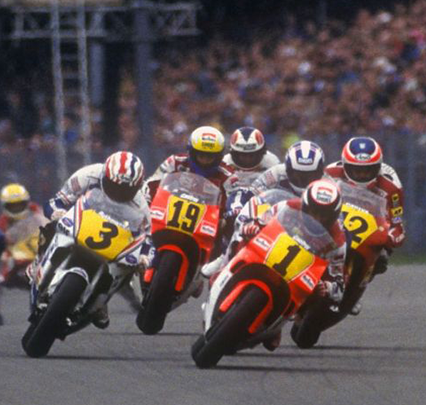
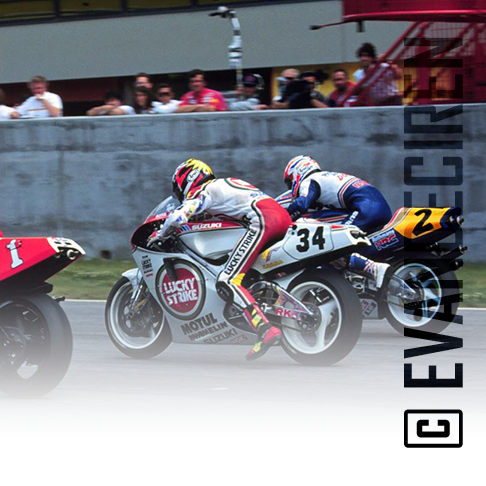
I can still hear it, that thunder rolling through the Tuscan hills, the unmistakable scream of a two-stroke 500cc engine. At Mugello, fear and fascination walked hand in hand. I was just a kid, eyes wide open, heart pounding as the riders slid through the corners with the rear tire dancing on the edge of control.
It was not the speed that amazed me, it was the bravery, the kind that only existed in the Golden Era of Grand Prix racing, when every lap was a duel between man, machine, and destiny.
The NSR: The Japanese Beast
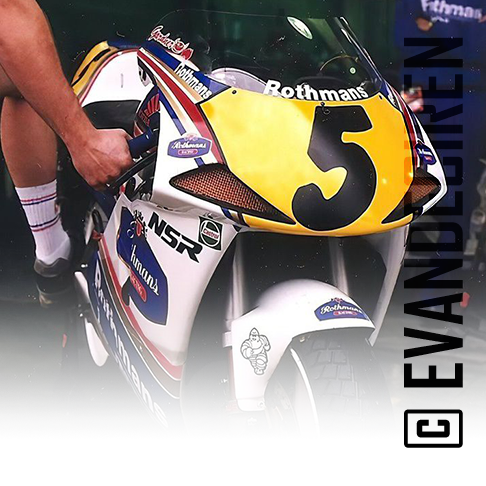
In the mid-1980s, Honda turned away from its four-stroke heritage to embrace the raw power of the two-stroke NSR500. It was a beast that growled even when standing still, a living creature that seemed to breathe fire and fury. Under braking it was terrifying, pushing riders to their limits. At full throttle, it became divine a symbol of pure racing passion, the ultimate expression of MotoGP engineering and the spirit of the Golden Era of Grand Prix racing.
Freddie Spencer: The Man Who Danced with 140 Horses
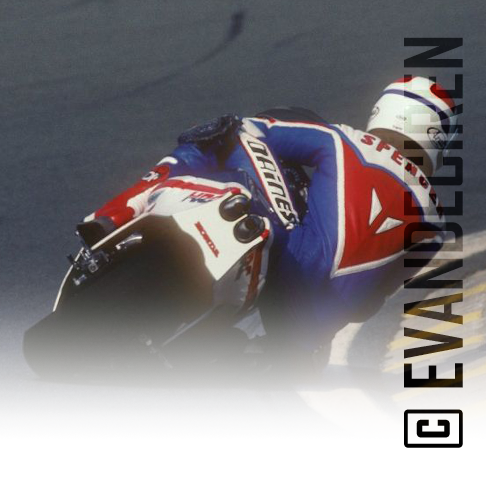
Freddie Spencer wasn’t fighting the bike he was dancing with it. In 1985, he achieved the impossible, becoming World Champion in both 250cc and 500cc classes. I watched him as a kid, believing he was more superhero than human. The legendary Honda NSR was a beast that tried to throw off its riders, but Freddie made it sing, taming its power with grace, courage, and pure talent a true motorsport legend who defined the Golden Era of Grand Prix racing.
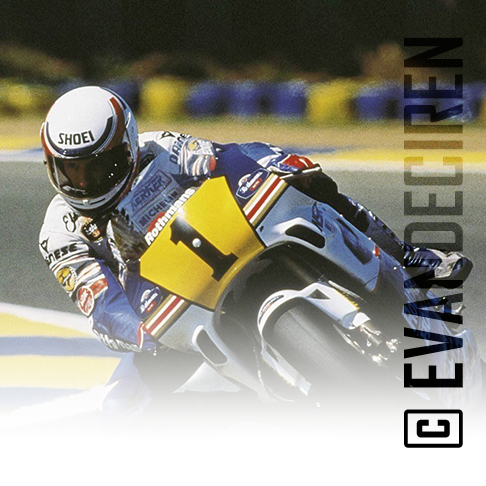
Eddie Lawson: The Calm Inside the Storm
Then came Eddie Lawson quiet, focused, and absolutely lethal on track. When he switched from Yamaha to Honda, he defied all expectations and still conquered. In 1989, he tamed the NSR500, defeating legends like Kevin Schwantz and Wayne Rainey with surgical precision. Watching him taught me that discipline and consistency triumph where ego and chaos fail. Lawson’s mastery made him a true MotoGP legend, a rider who defined the essence of the Golden Era of Grand Prix racing.
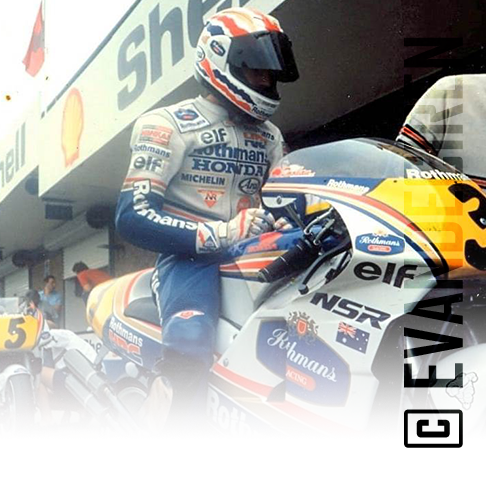
Mick Doohan: The Australian Gladiator
Mick Doohan never negotiated with fear. When he first rode the Honda NSR500, it fought back wild, unstable, almost unrideable. Yet Mick returned, again and again, until he made it obey. He transformed pain into power and fear into instinct, mastering one of the most demanding machines in MotoGP history. From that relentless struggle, a legend was born a rider who defined determination, courage, and the true spirit of the Golden Era of Grand Prix racing.
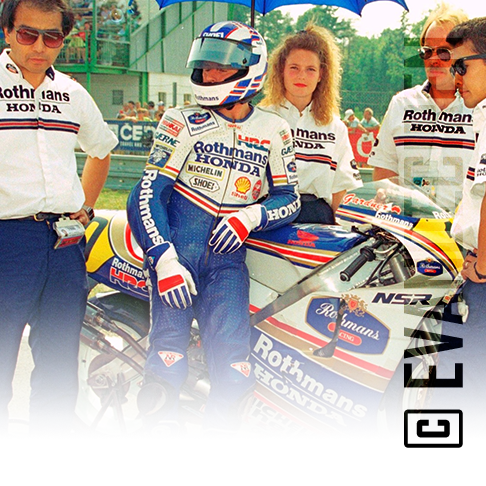
Inside the Pits: Where Steel Meets Soul
Behind every lap time was a battle fought in silence. Mechanics, engineers, and riders shared a language made of vibration, sweat, and courage. Eddie Lawson, Mick Doohan and Wayne Gardner were more than racers; they were architects of speed, translating feeling into data and dreams into victories. Their dedication shaped the Honda NSR500, the beating heart of the Golden Era of Grand Prix racing, where precision, passion, and perseverance defined the path to immortality.
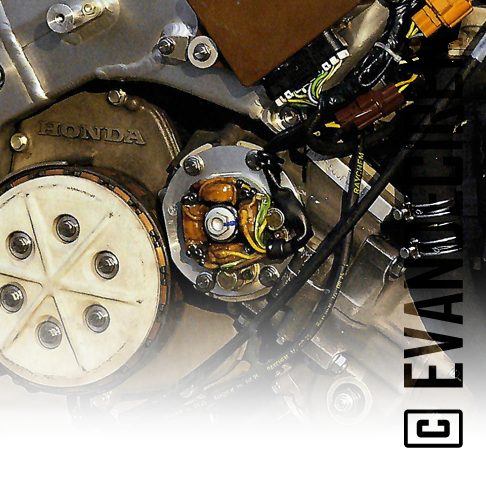
The Big Bang Revolution
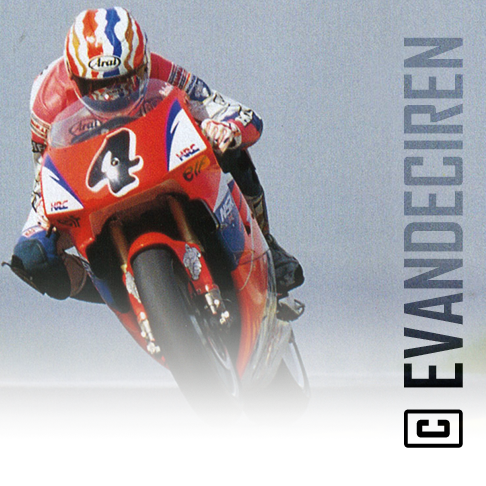
In 1993, Honda unveiled something truly revolutionary with the Big Bang engine, a creation that may have been born from accident but changed GP500 forever. The violent scream of the NSR500 gave way to a deep, rhythmic growl, a new kind of power and control. For the first time, the bike seemed to breathe with the rider, turning chaos into grip, aggression into harmony, and speed into art. It marked a turning point in the Golden Era of Grand Prix racing, where innovation met pure instinct.
The Doohan Dynasty
By 1994, Mick Doohan and the Honda NSR500 had become one. Nine victories in fourteen races turned each lap into a prayer to the gods of speed. I remember watching on TV, breathless, as history unfolded before my eyes. Doohan wasn’t riding just to win; he was riding to transcend, to push beyond limits and redefine what perfection meant in MotoGP. That season marked the height of the Golden Era of Grand Prix racing, where man and machine fused into pure legend.
Cagiva: The Italian Dream
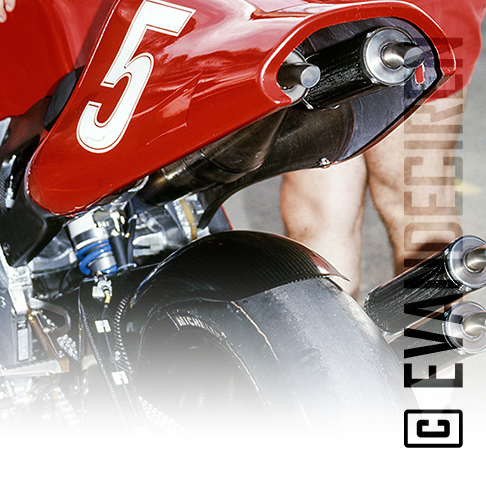
Then came Cagiva, the red heart of Italy, a team driven by passion and genius rather than money. While Honda and Yamaha ruled the grid, Cagiva fought with innovation carbon fiber, accelerometers, and Ferrari technology turned bold ideas into brilliance. When Eddie Lawson won in Hungary and John Kocinski triumphed at Laguna Seca, every Italian kid like me believed in miracles. The Cagiva V593 became more than a racing machine; it was art in motion, a symbol of the Golden Era of Grand Prix racing.
Tires: The Invisible Frontier
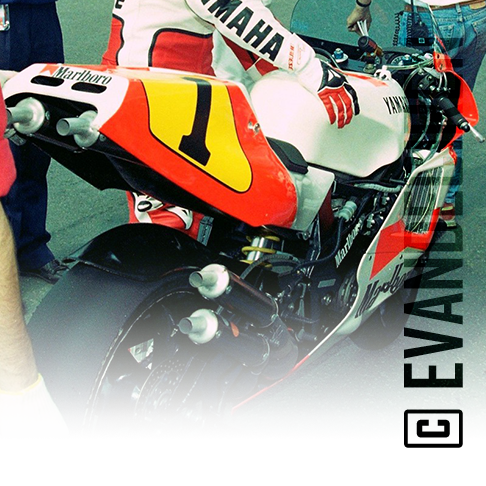
In the 500cc world, the true difference often hid beneath the bike, in the tires. Slicks, intermediates, and high-performance compounds turned every race into a silent gamble. Victories were shaped not only by courage, but by chemistry and precision. On every lap, technology met instinct, and fate rolled on black rubber. It was the perfect balance of engineering, intuition, and speed that defined the Golden Era of Grand Prix racing.
Evolution Over Revolution
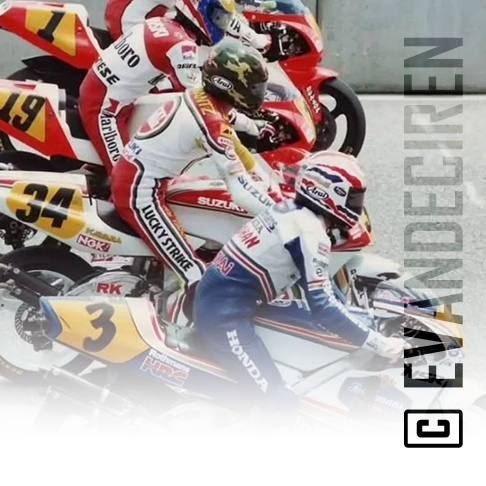
By the mid-1990s, MotoGP teams had learned a vital truth: rushing innovation led to failure. After years of hard lessons, Honda, Yamaha, and Suzuki embraced evolution over revolution. Progress became a matter of patience, and victory was born from precision. The true mastery of the Golden Era of Grand Prix racing lay not in reinventing perfection, but in refining it, turning raw power into seamless harmony between man and machine.
The Human Factor
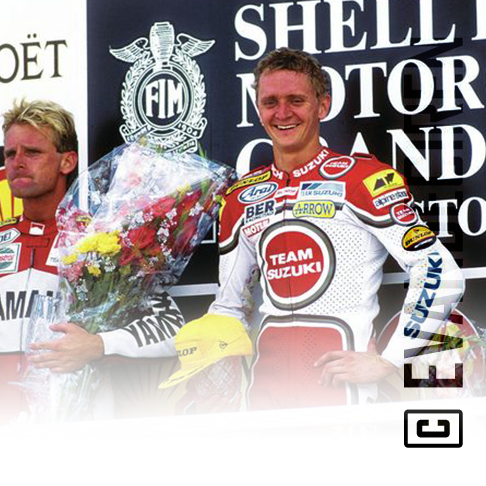
In the end, it always came down to the rider. Kevin Schwantz, who fought and won with both arms broken, and Daryl Beattie, who mastered Honda, Yamaha, and Suzuki, proved that true champions are built from courage, not comfort. They carried their scars like trophies, reminders that heartbeats matter more than horsepower. In those moments of pain and glory, the Golden Era of Grand Prix racing revealed its soul where machines roared, but men defined greatness.
Conclusion: The Roar That Still Lives
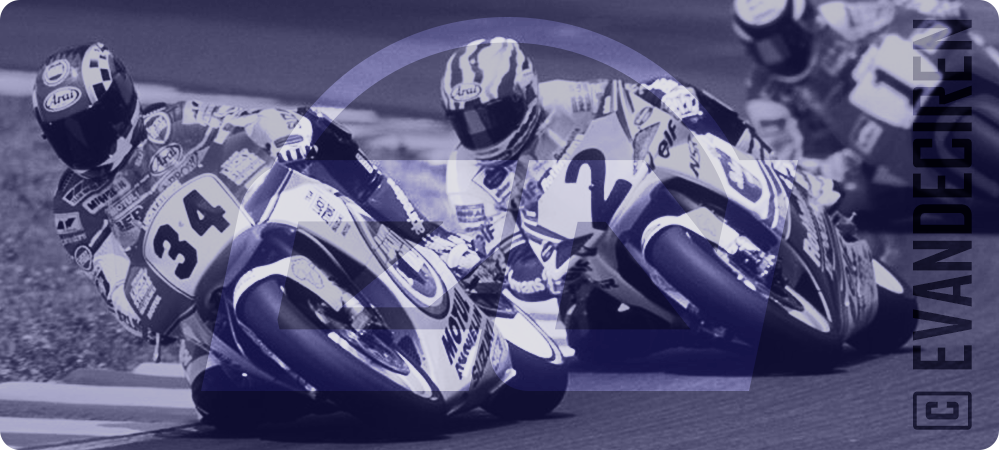
I was never a rider. And yet, every time I close my eyes, I can almost hear the roar of the 500cc bikes rising in the distance. It was a dirty and uneven sound, but alive. A sound that spoke of courage, mistakes, and glory. We, the kids who grew up in the age of those sacred monsters, had a privilege: we saw man triumph over the machine, not with it. That is why every illustration I create is a tribute to that history, a call to the nostalgia of those times, because you cannot stop time, and when you live something truly special, you only realize it once it is gone. And maybe that is why, every time a modern MotoGP bike passes by, I stand still in silence. Because that music, the real one, you do not hear it anymore. You remember it…